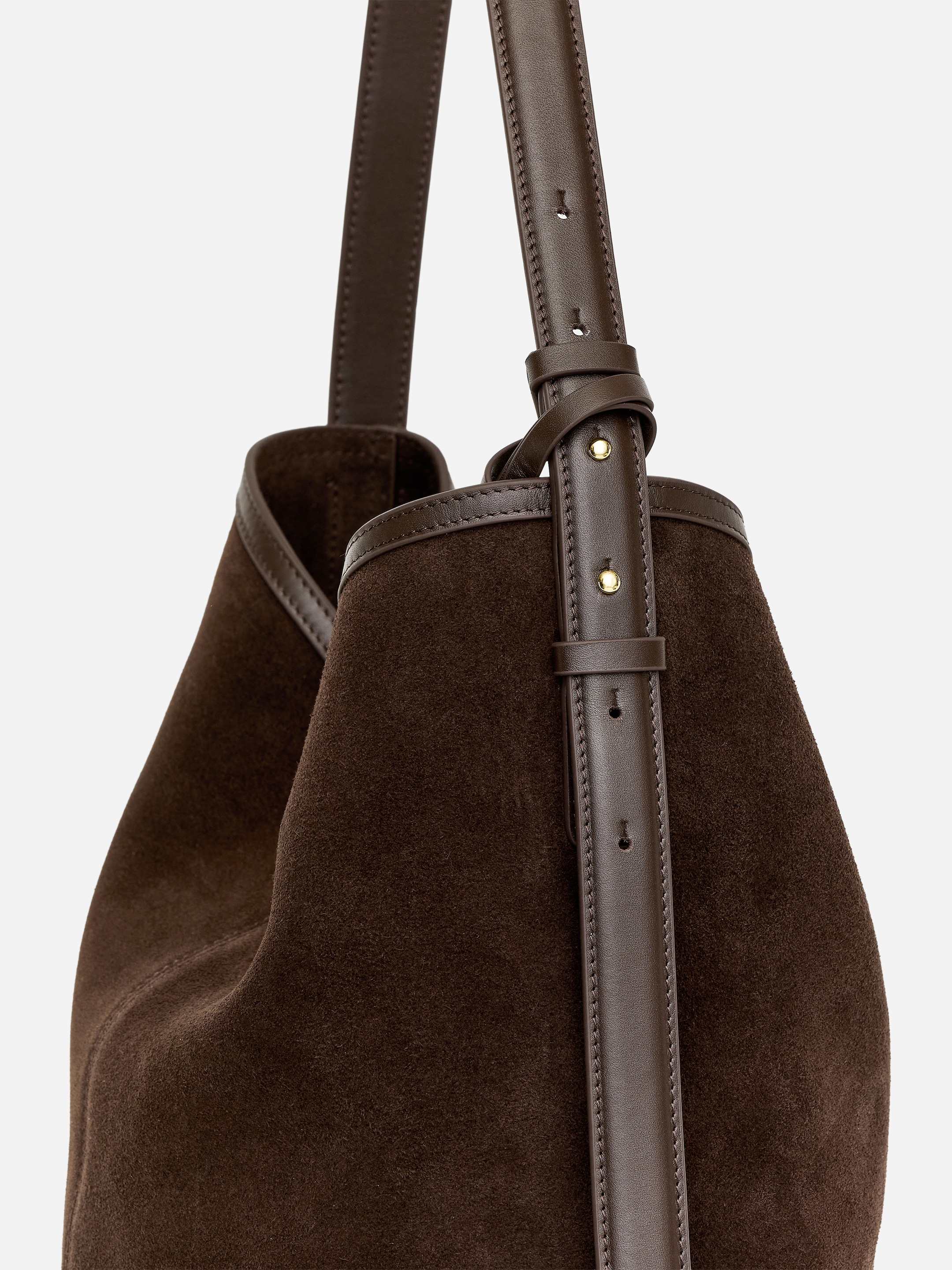
Suede
Care guides|October 2026
Suede is crafted from the underside of leather hides, offering a soft, fuzzy finish. Due to its delicate nature, it is important to properly care for your suede products to extend their lifespan.
Our design philosophy focuses on longevity, functionality, and purpose. We aim to offer a curated selection of garments and goods that are, not only beautifully designed and visually inspiring, but also fulfil a clear function and carry meaning in everyday life. Our products are carefully crafted to outlast short-lived trends, to be used and cherished for many years, and eventually passed on to others. Below, you can read more about a selection of the materials used in our collections.
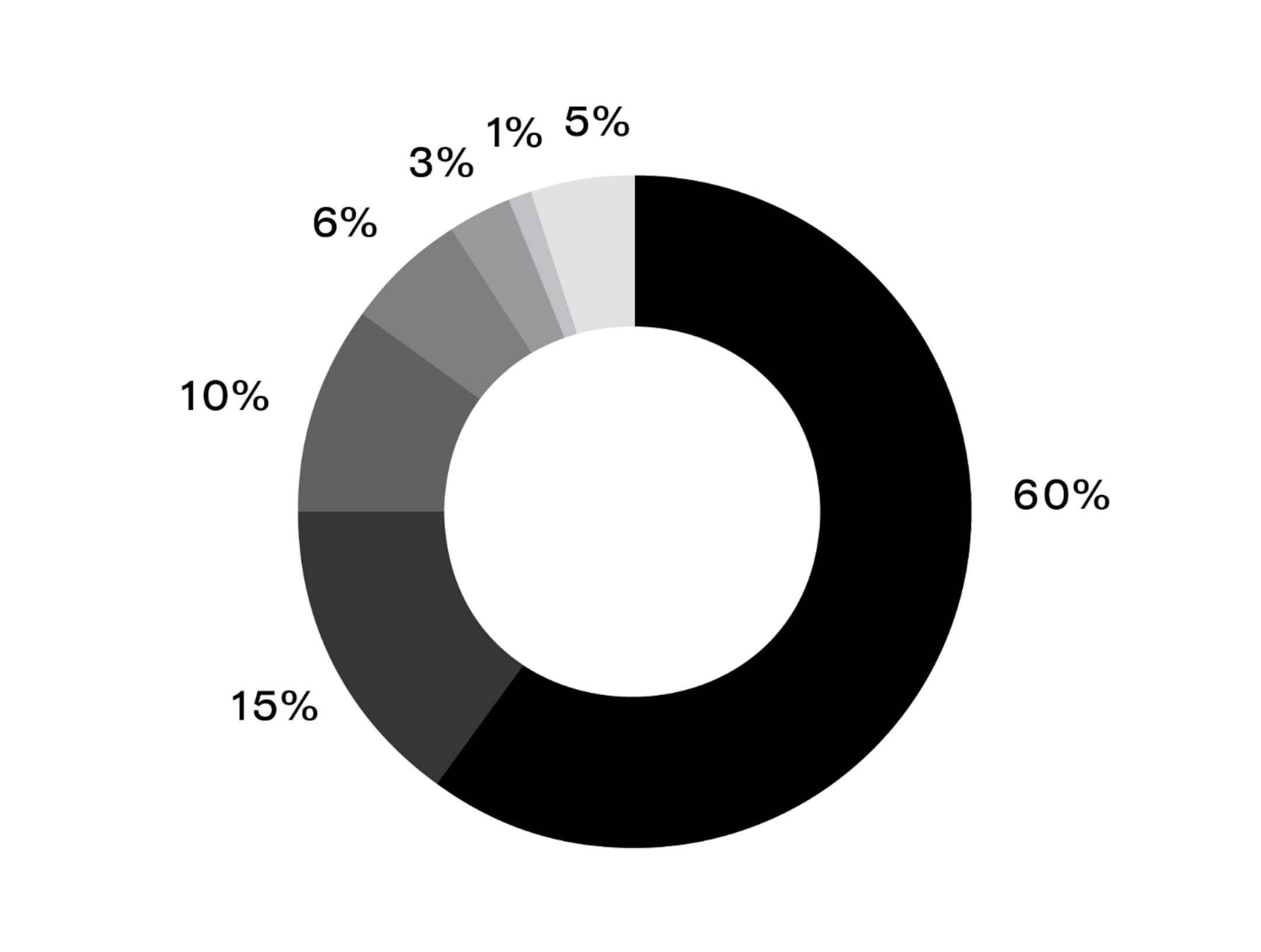
60% - Cotton
15% - Wool
10% - Synthetic
6% - Bast fibre
5% - Other
3% - Cellulosa fiber
1% - Leather
The diagram shows the share of material types used in ARKET’s collections in 2025. The figures cover all product categories, including hard goods and cosmetics, and are updated annually.
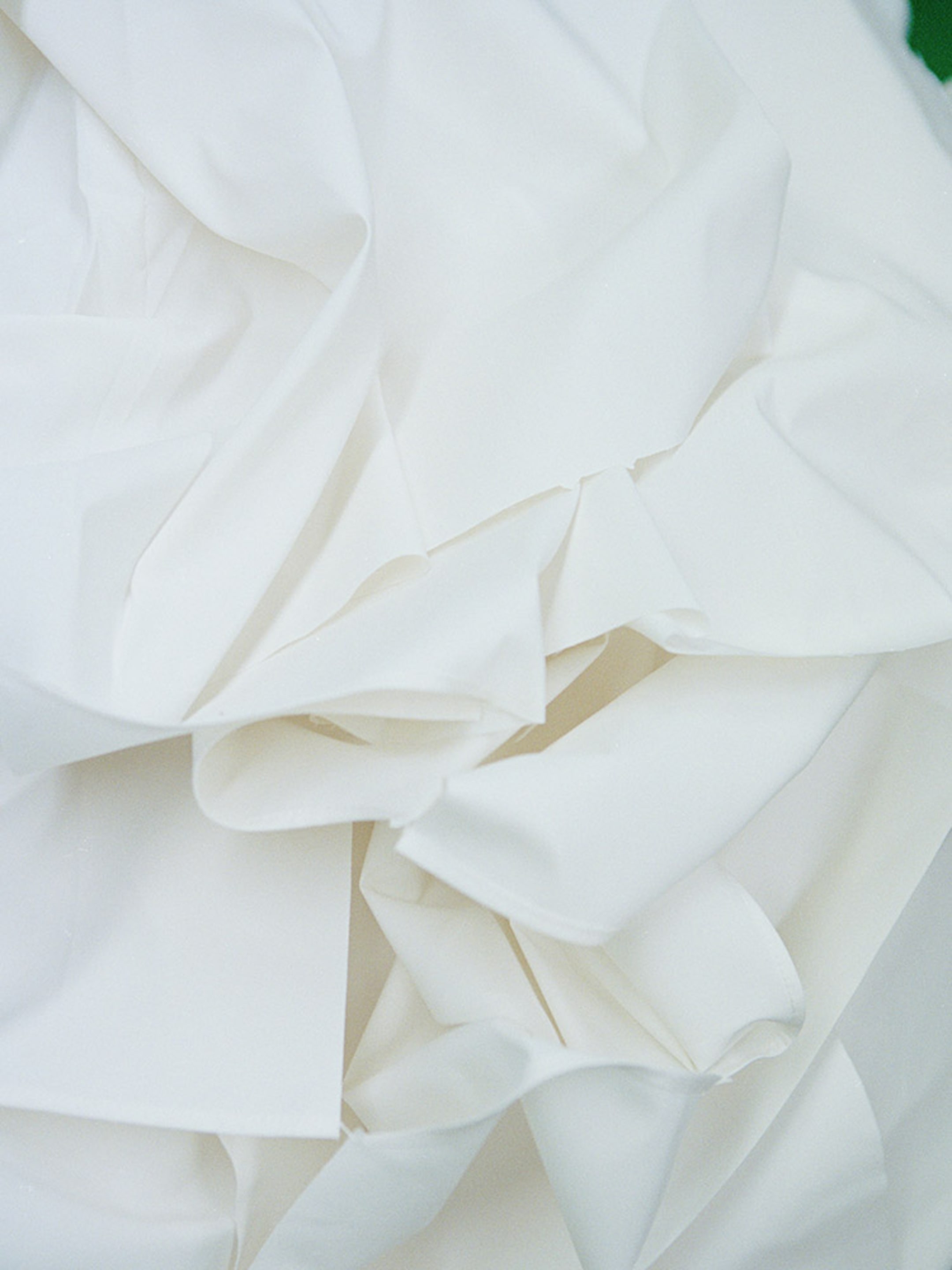
Cotton is a natural fibre, valued for its wide range of uses. Fabrics made from cotton are often soft and breathable. However, cultivation requires high amounts of water; and the conditions under which it is grown, harvested and processed can have a significant impact on both people and the environment.
Organic cotton is grown without the use of chemical fertilisers or pesticides, and it is free from genetically modified organisms (GMOs). All our organic cotton is traceable, and the entire process is audited by a third-party organisation.
The global demand for organic cotton currently exceeds the available supply, and scaling up production takes time. ARKET is part of the H&M Group, a founding member of an industry initiative called the Organic Cotton Accelerator – an industry initiative that helps farmers grow organic cotton profitably. It also supports the development of locally adapted high-quality cotton seeds and promotes innovations to strengthen both the supply and integrity of organic cotton.
Recycled cotton is made from post-consumer waste or manufacturing scraps – old textiles and production offcuts that are shredded into fibres and spun into new yarn, to be used for new fabrics. All our recycled cotton is traceable, and the process is audited by a third-party organisation.
Compared with conventional cotton farming, farms certified by ROC™ must implement plans that support soil and landquality, animal welfare, and farmworker fairness in accordance with the ROC™ standard. Depending on the farm and local conditions, these plans may include practices such as composting, cover cropping, intercropping, and reduced tillage. These methods can help restore soil health by increasing the amount of organic matter in the soil and supporting a wider variety of plants, insects, and soil organisms. The ROC™ program also supports the humane treatment of animals and promotes social equity by requiring fair working conditions and access to healthcare for farmers and workers involved in the program.
The remainder of our cotton is sourced through Better Cotton, a non-profit organisation that supports cotton farmers in adopting practices that offer long-lasting economic, environmental, and social benefits, both on their farms and in their local communities. Better Cotton is sourced via a mass balance system, which means it may be mixed with conventional cotton in the manufacturing process and is therefore not physically traceable. However, by sourcing through Better Cotton, we are supporting a global initiative that reaches more farmers and drives meaningful change on a scale.
Pima cotton is considered one of the finest cotton varieties in the world. The fibres are exceptionally long – ranging from 38 to 41 millimetres, compared to 20 and 32 millimetres for standard cotton. Longer fibres make stronger and more uniform yarns, which enhances the durability of the fabric. Garments made from Pima cotton have a smooth surface and an almost silk-like feel.
This cotton is grown using hydroponic farming, a soilless cultivation method where water and nutrients are delivered directly to the roots, allowing precise control and reducing reliance on farmable land.
Linen is a soft yet durable natural fibre from the flax plant. Flax is a resilient crop that can grow in poor soil and requires less water in production than cotton. The hollow structure of linen fibres and the loose weave they create make the fabric naturally breathable.
Originally derived from flax plants, recycled linen is made from leftovers or fabric from the production process. The material is collected, recycled, and spun into yarn.
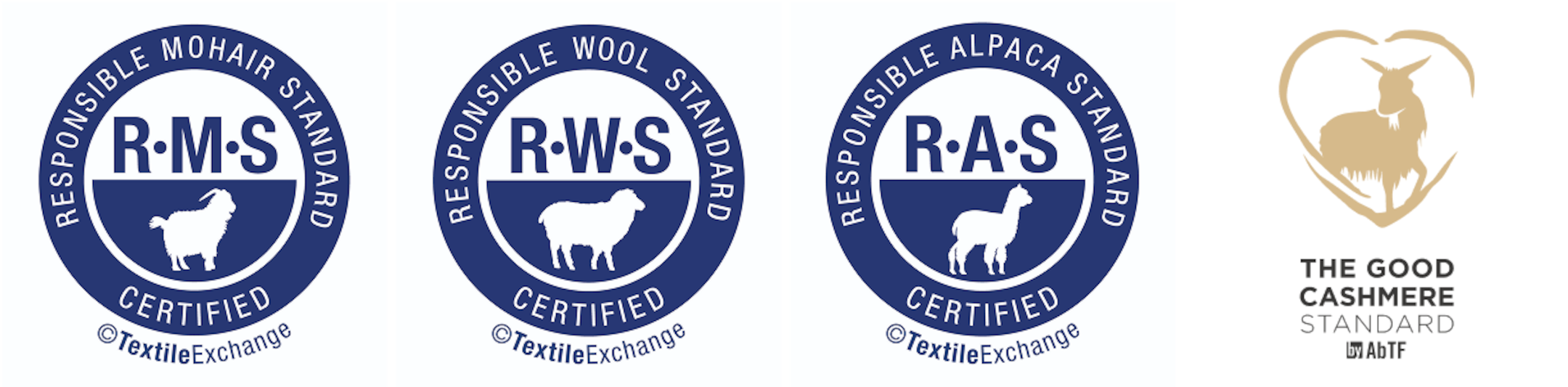
Products certified to the Responsible Wool Standard (RWS TE-00047206) owned by Textile Exchange contain wool fibre from farms independently certified to meet animal welfare and land-management requirements.
Products certified to the Responsible Mohair Standard (RMS TE-00047206) owned by Textile Exchange contain mohair fibre from farms independently certified to meet animal welfare and land-management requirements.
Products certified to the Responsible Alpaca Standard (RAS TE-00047206) owned by Textile Exchange contain alpaca fibre from farms independently certified to meet animal welfare and land-management requirements.
The Good Cashmere Standard® is owned by the Aid by Trade Foundation (AbTF) and sets out requirements for animal welfare, land management and herders’ working conditions. The fibres are traceable from the farm to the final product.
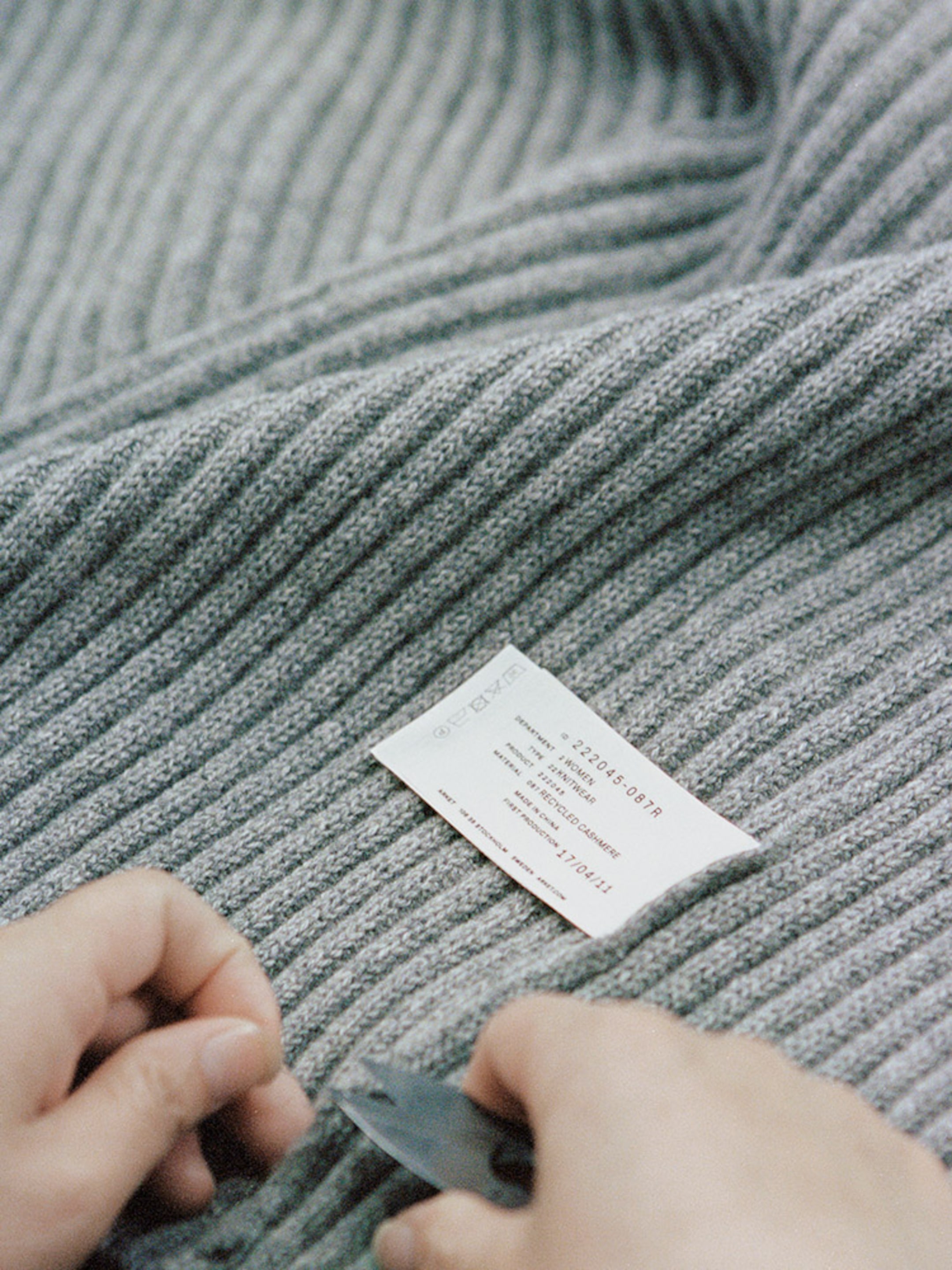
Recycled cashmere is made from post-consumer waste or manufacturing scraps.
Recycled wool is made from postconsumer waste or from manufacturing scraps.
Chrome-free tanned leather
The leather is tanned using vegetable or synthetic extracts instead of chromium salts.
Metal-free tanned leather
Metal-free leather is tanned using vegetable or synthetic extracts, thereby avoiding the use of chromium salts and metallic salts.
Vegetable tanned leather
Vegetable tanning uses natural tannins derived from plant sources like tree barks and leaves.
Split leather and suede
Split leather is obtained from the inner layer of the hide after it has been separated from the top grain. It is typically finished with a brushed surface, giving it a soft touch and velvety appearance while maintaining flexibility and natural comfort.
Our Upcycled Down™ is made from pre-used feathers and down, washed and sterilised using high-temperature water processes without added chemical disinfectants.
Regenerated fibres are textile fibres made from natural materials like wood pulp, processed using chemicals. They're often called man-made cellulosic fibres.
Viscose is a regenerated cellulose fibre, usually made from wood, though it can also be derived from other sources, such as agricultural, post-consumer and industrial by-products.
Viscose trademarked Livaeco™ and Lenzing Ecovero™ are fibres derived from independently certified forests that are managed according to strict environmental, social and economic standards.
Just like viscose, lyocell is a cellulose fibre. Our main source of lyocell is TENCEL™ lyocell – a strong, durable fibre with a natural softness and moisture-absorbing properties, which support a dry feeling for the user. TENCEL™ lyocell is a trademark of Lenzing AG and is produced through a process which reuses 99,8% of the water and chemicals used.
A trademarked process using 100% renewable energy to gently recover cotton fibres from worn-out garments and production waste. The fibres are shredded and turned into pure cellulose, which can be used to produce new fibres, yarns, and eventually fabrics.
Cupro is a regenerated cellulose fibre made from cotton linter – cotton fibres that are too short to spin. The linter is dissolved, processed, and then spun into a new fibre.
Naia™ is made from wood pulp from well-managed pine and eucalyptus forests, ensuring the protection of ancient and endangered forests. The fibre is traceable from tree to fibre. The production process takes place in a system where solvents are recycled back into the system and reused.
By 2025, conventional polyester has been phased out and all of the polyester we use is recycled.* Polyester is a durable synthetic fibre derived from fossil fuels. Recycled polyester is made from textile and plastic waste or collected PET bottles that is processed into new yarn.
* Trims, lining, footwear, bags and belts are excluded.
Polyamide is a strong, slightly elastic fibre which makes durable and lightweight nylon fabrics that dry quickly and don’t wrinkle. Like polyester, it is a synthetic fibre derived from fossil fuels.
Recycled polyamide (also known as recycled nylon) shares the same benefits as virgin polyamide – strong, long-lasting and lightweight – but is produced from waste fibres and discarded plastic waste instead of raw fossil material.
ECONYL® regenerated polyamide is produced through a chemical recycling process where a combination of waste such as fishing nets, carpets and industrial waste is transformed back into raw material and then spun into ECONYL® yarn.
An essential part of the design process is selecting the right fibres for the fabrics used in our products. Many of our collections feature items made from a single fibre, such as a poplin shirt crafted from 100% cotton or a dress made from pure linen.
While natural fibres are often preferred, blending them with synthetic fibres can sometimes result in a more functional final product. The benefits of fibre blends depend on the intended function of each garment and may therefore vary by product.
For example, mixing wool with polyamide can make a knitted jumper feel lighter while enhancing its durability, with each fibre contributing its own unique properties. Similarly, recycled natural fibres often benefit from being blended with virgin fibres, as recycled fibres tend to be shorter and require the strength of virgin fibres to create a more durable product.
Care guides|October 2026
Suede is crafted from the underside of leather hides, offering a soft, fuzzy finish. Due to its delicate nature, it is important to properly care for your suede products to extend their lifespan.
Care guides|October 2026
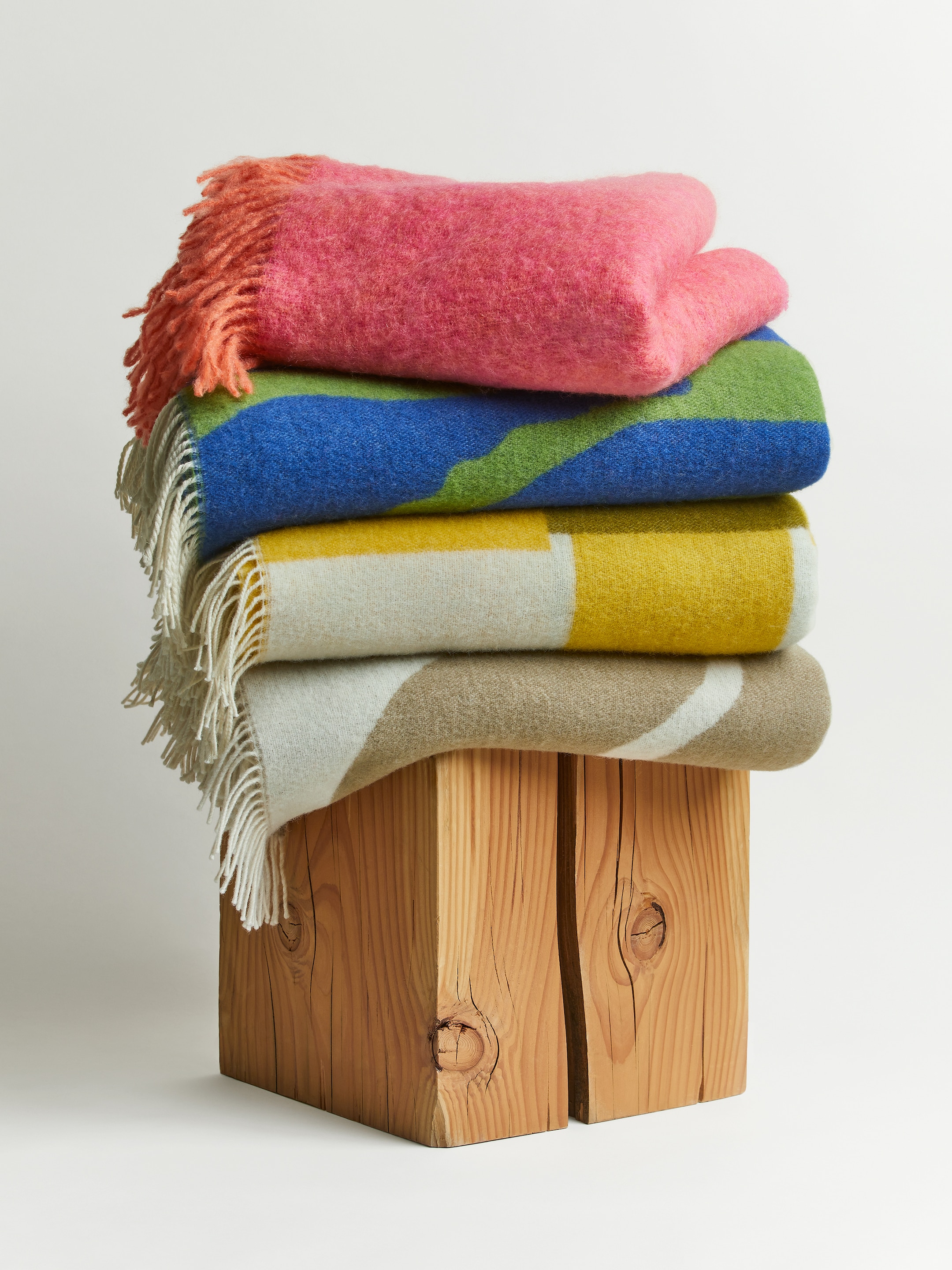
Wool comes in many forms, each with its own distinctive qualities. Naturally breathable and moisture-wicking, wool is also resistant to odours and creasing. Whether merino wool, lambswool, cashmere, mohair or alpaca, all benefit from gentle care.

Care guides|October 2026
Cashmere is one of the rarest wool fibres in the world, renowned for its exceptional softness. With gentle care, cashmere garments can maintain their softness and appearance over time.
Care guides|August 2026
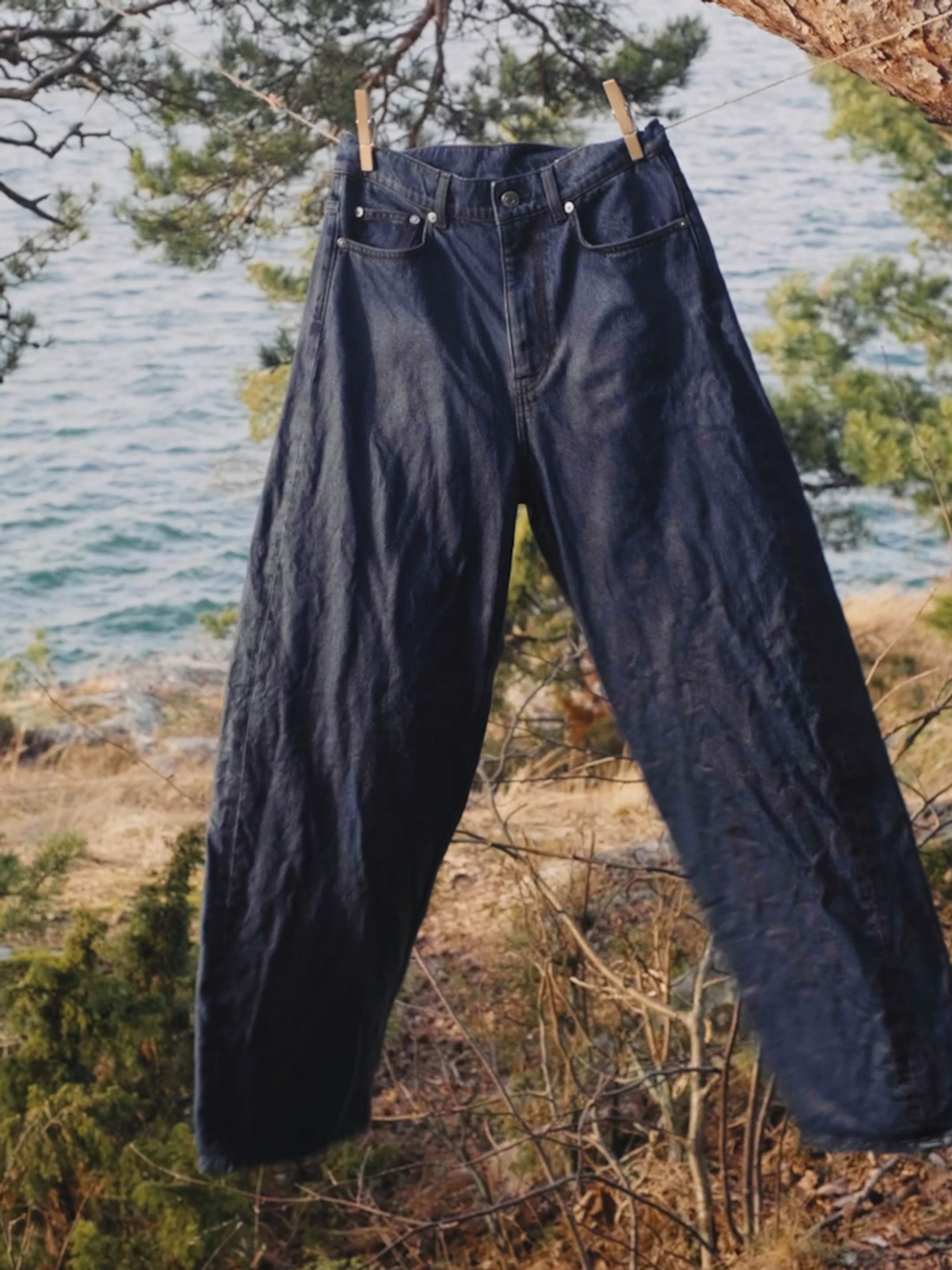
Denim is special for its exceptional durability, unique aging process, and versatile appeal. With proper care, your denim garments can improve with time.