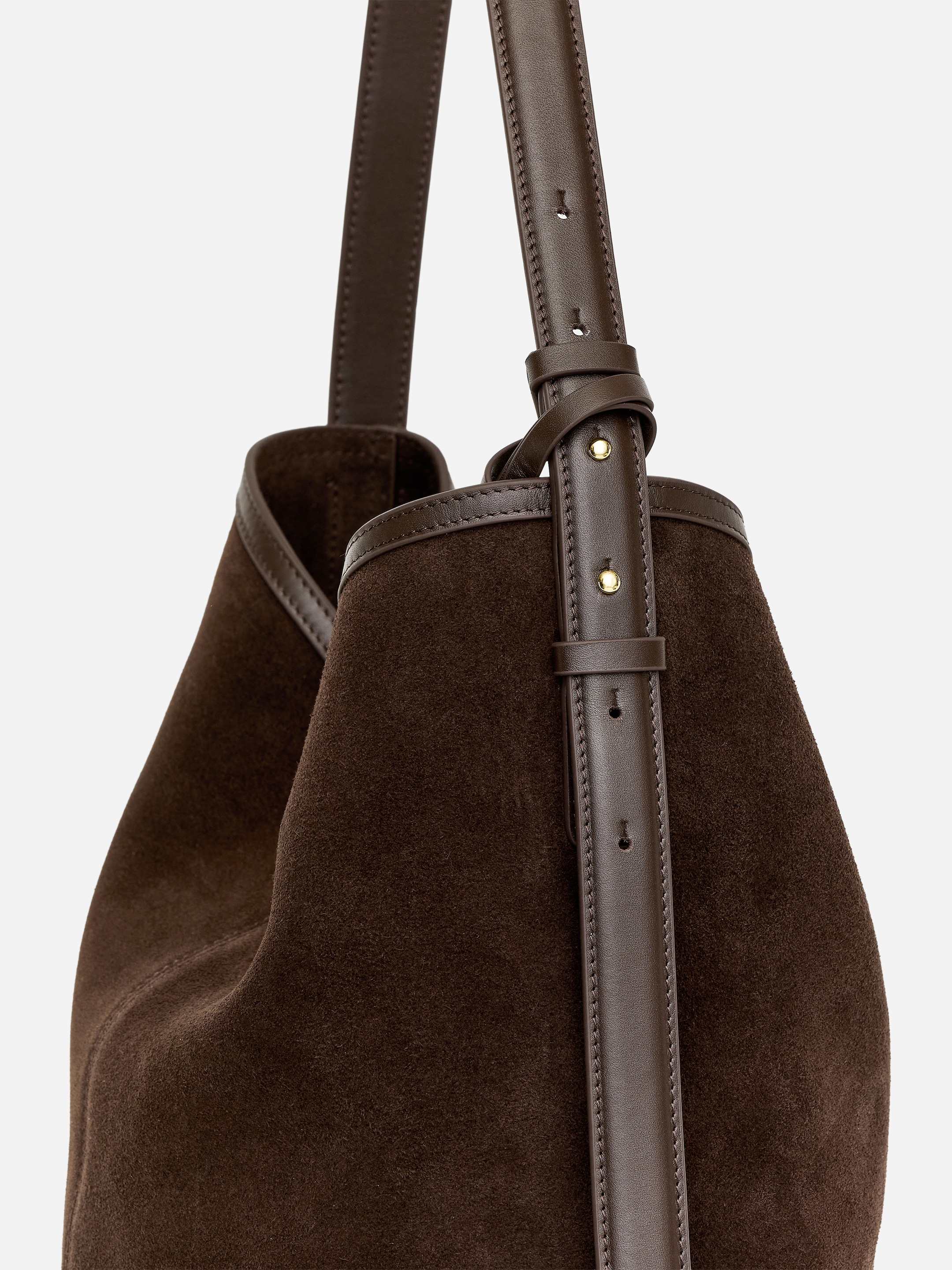
Suede
Care guides|October 2026
Suede is crafted from the underside of leather hides, offering a soft, fuzzy finish. Due to its delicate nature, it is important to properly care for your suede products to extend their lifespan.
Care guides|October 2026
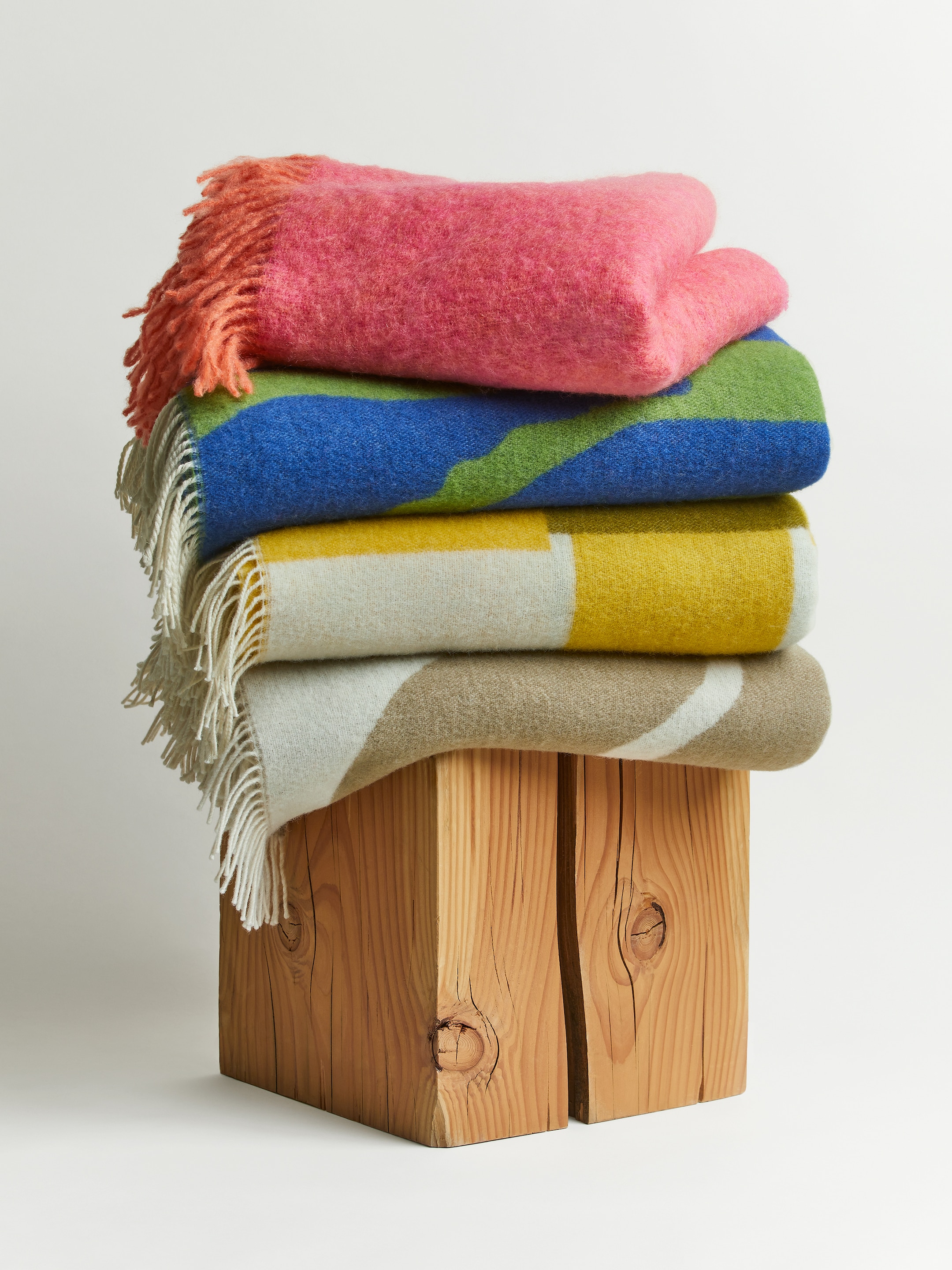
Wool comes in many forms, each with its own distinctive qualities. Naturally breathable and moisture-wicking, wool is also resistant to odours and creasing. Whether merino wool, lambswool, cashmere, mohair or alpaca, all benefit from gentle care.
Wool garments may develop pills during regular use. Use a wool comb or a fabric shaver to gently remove pills. Be careful not to damage the fibres.
Allow wool garments to air between wears to refresh them and reduce the need for washing.
Be cautious with jewellery and bags that might snag the delicate fibres.
Wool often stays fresh between wears. Airing a garment is often enough to refresh it.
Always check the care label before washing, as care instructions may vary depending on the garment's construction and fibre composition.
Spot clean stains when possible using a damp cloth and a small amount of wool detergent. Avoid rubbing, as this can damage the fibres and push the stain deeper into the fabric.
Avoid bleach and fabric softeners. Use a mild detergent, preferably one formulated for wool.
Dry clean only when recommended on the care label, as frequent dry cleaning can be harsh on delicate fibres.
Fill a sink, tub, or basin with lukewarm water (30°C/86°F). Hot water can shrink wool.
Add a small amount of mild detergent and distribute it evenly through the water before submerging the garment.
Allow the garment to soak for 10–15 minutes. Avoid rubbing, twisting or agitating the fabric.
Rinse thoroughly in clean lukewarm water until all detergent has been removed.
Turn the garment inside out before washing to help minimise pilling.
Place the item in a mesh laundry bag for added protection.
Add a mild detergent. Avoid fabric softener as it can coat wool fibres and reduce their ability to wick moisture.
Select the wool programme, or a gentle cycle at or below 30°C/86°F if a wool programme is not available.
Avoid tumble drying.
Do not wring or twist the garment to remove excess water.
Instead, lay it flat on a clean towel and gently roll the towel to absorb moisture.
Reshape the garment to its original dimensions and lay it flat on a dry towel or drying rack.
Allow it to dry naturally away from direct sunlight and heat sources.
Use a low to medium heat setting.
Place a damp cloth between the iron and the garment to protect the fibres.
Where possible, iron on the reverse side of the fabric.
Steaming is a gentle way to remove creases and refresh wool garments between wears.
Use a handheld steamer or hang the garment in a steamy bathroom.
Steaming can also help restore the shape and texture of knitwear after storage.
Ensure garments are clean and completely dry before storing.
Fold knitwear rather than hanging it to help maintain its shape.
For long-term storage, place garments in a sealed container, garment bag or storage bag. Cedar wood can help deter moths and other insects. Avoid placing cedar directly against the garment.
Store in a cool, dry place. After storage, steaming can help restore the shape and appearance of the garment.
Care guides|October 2026
Suede is crafted from the underside of leather hides, offering a soft, fuzzy finish. Due to its delicate nature, it is important to properly care for your suede products to extend their lifespan.
Care guides|October 2026
Wool comes in many forms, each with its own distinctive qualities. Naturally breathable and moisture-wicking, wool is also resistant to odours and creasing. Whether merino wool, lambswool, cashmere, mohair or alpaca, all benefit from gentle care.
Care guides|October 2026
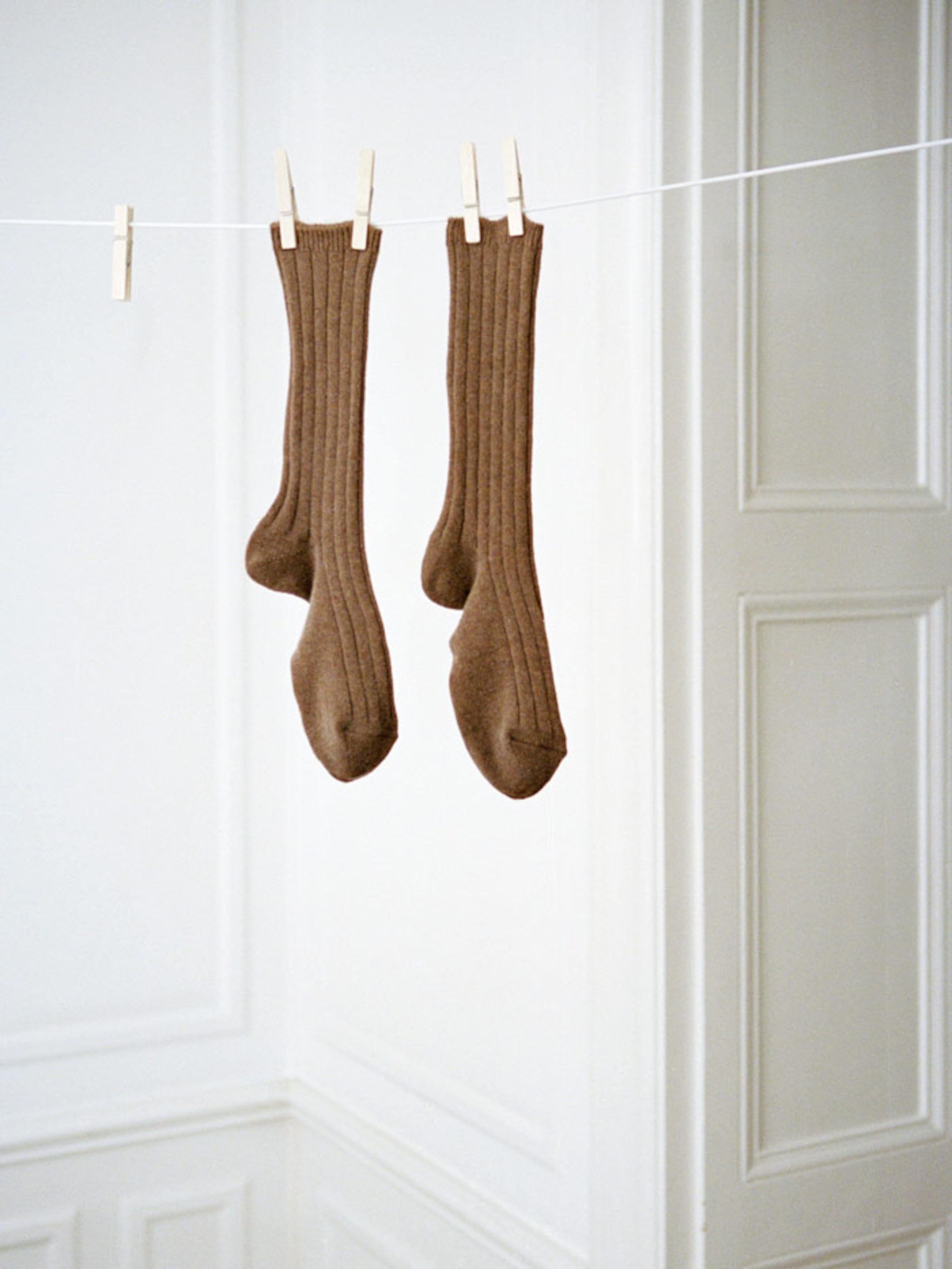
Cashmere is one of the rarest wool fibres in the world, renowned for its exceptional softness. With gentle care, cashmere garments can maintain their softness and appearance over time.
Care guides|August 2026
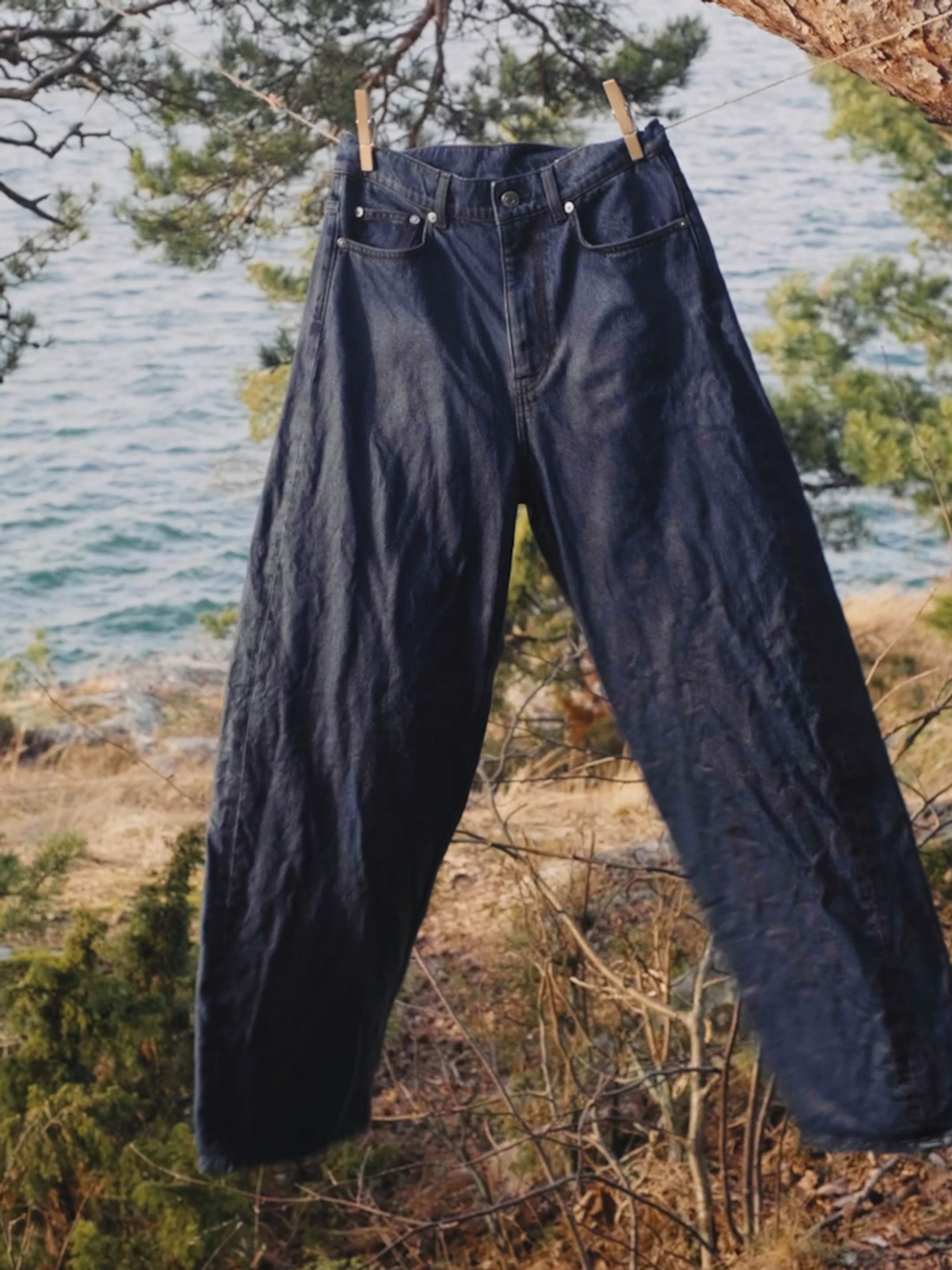
Denim is special for its exceptional durability, unique aging process, and versatile appeal. With proper care, your denim garments can improve with time.
Care guides|October 2026
Suede is crafted from the underside of leather hides, offering a soft, fuzzy finish. Due to its delicate nature, it is important to properly care for your suede products to extend their lifespan.
Care guides|October 2026
Wool comes in many forms, each with its own distinctive qualities. Naturally breathable and moisture-wicking, wool is also resistant to odours and creasing. Whether merino wool, lambswool, cashmere, mohair or alpaca, all benefit from gentle care.
Care guides|October 2026
Cashmere is one of the rarest wool fibres in the world, renowned for its exceptional softness. With gentle care, cashmere garments can maintain their softness and appearance over time.
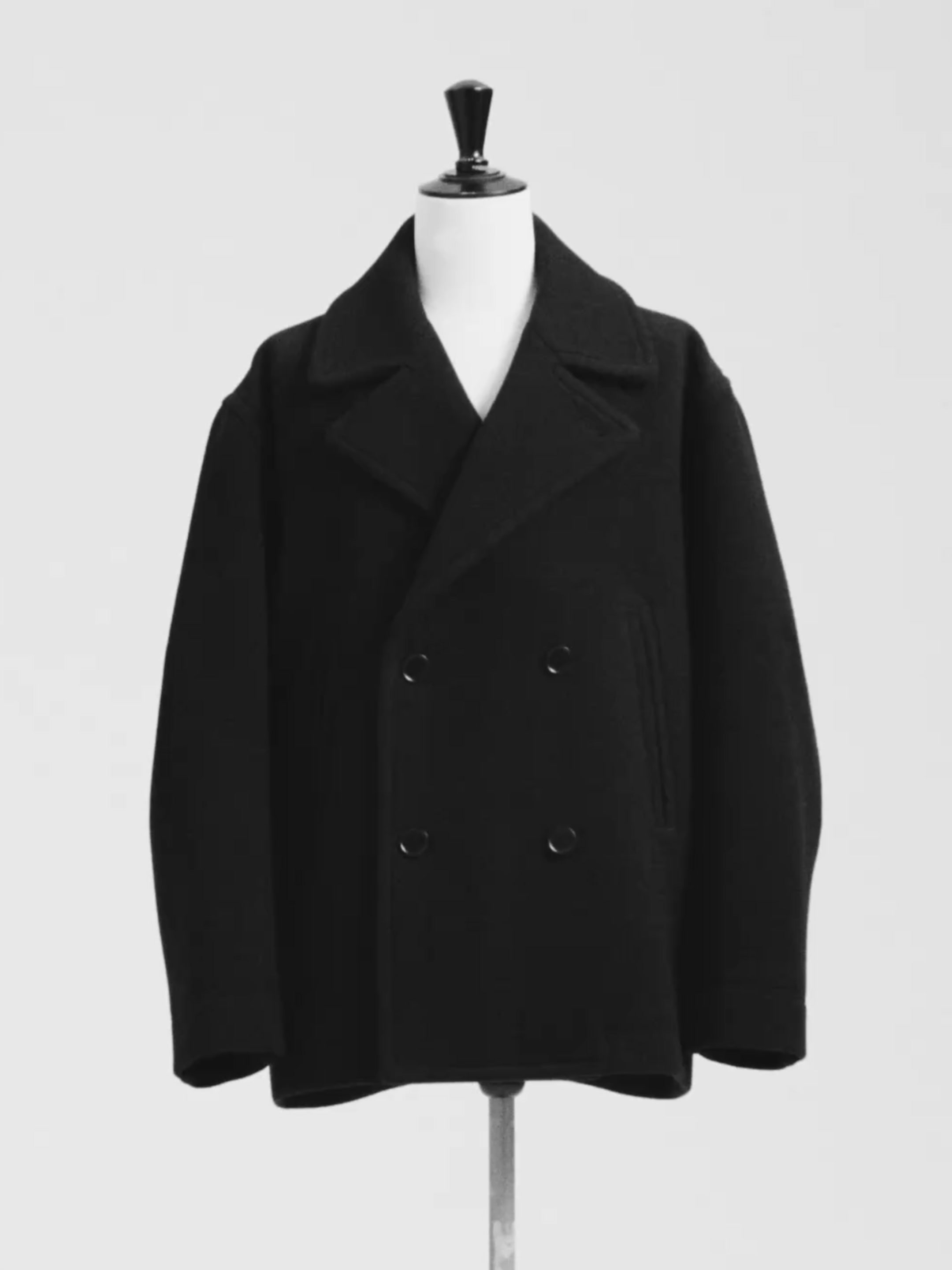
Design|September 2026
Few garments have changed as little while remaining as relevant as the peacoat. Worn for more than 300 years, it still fits into everyday wardrobes and has become a classic not just because it's so familiar, but because it continues to be shaped by the people who wear it.